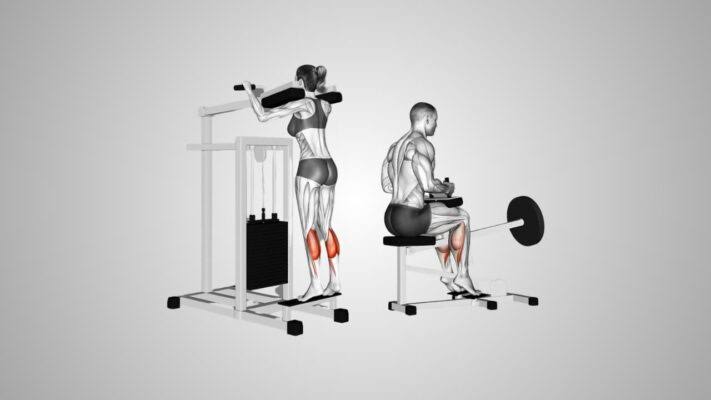
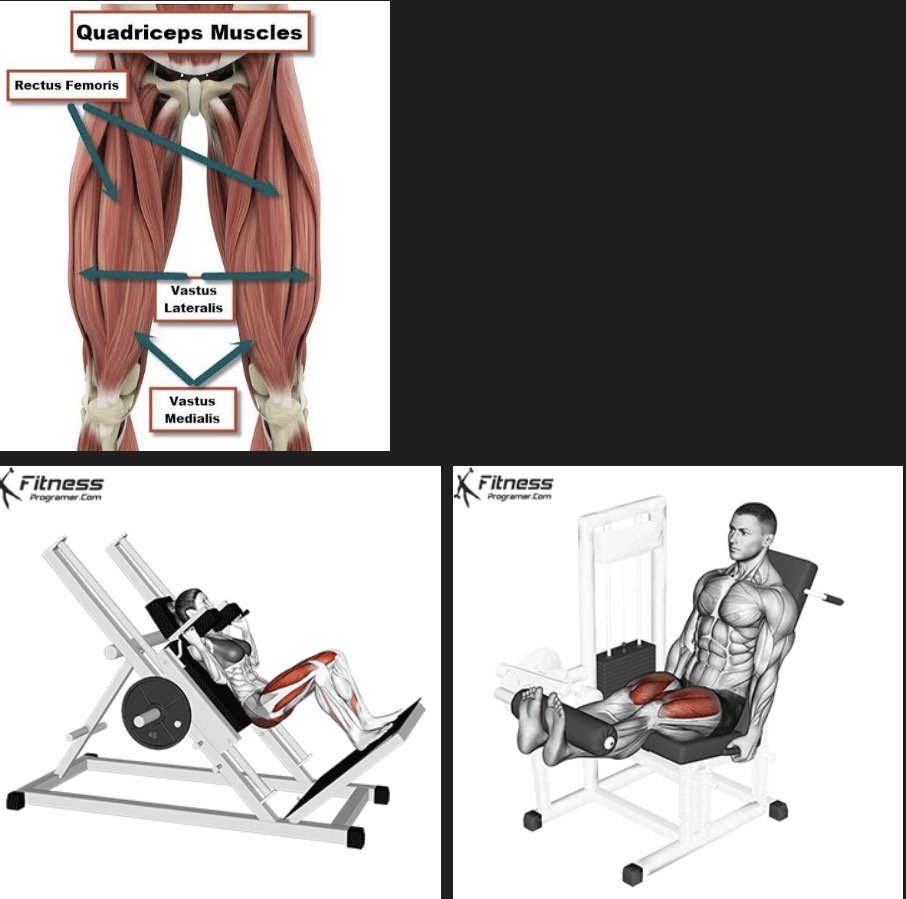
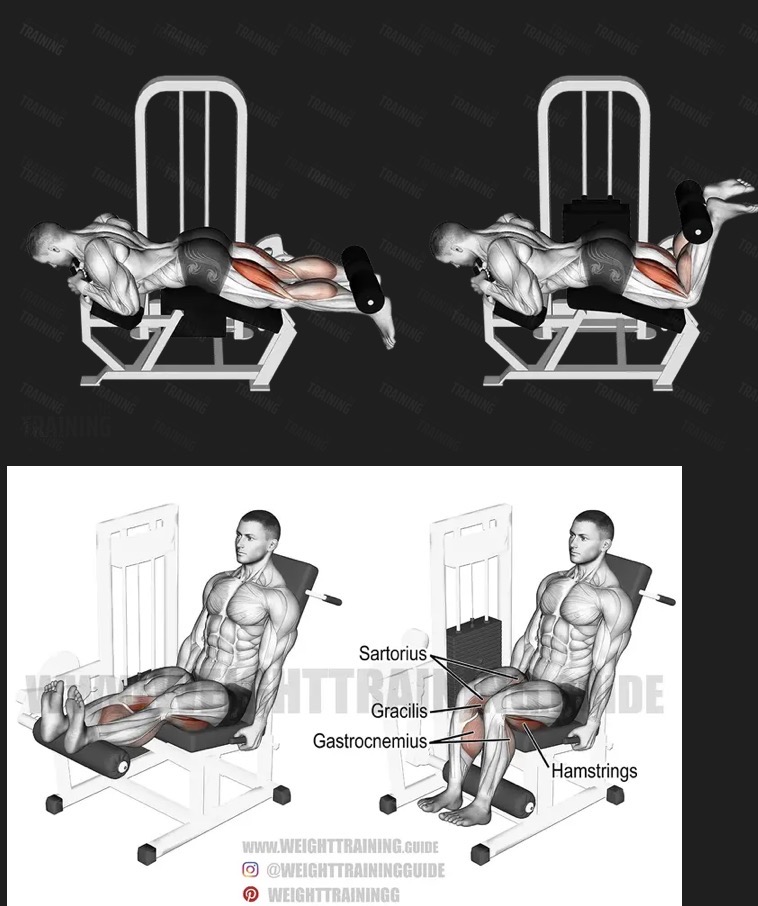
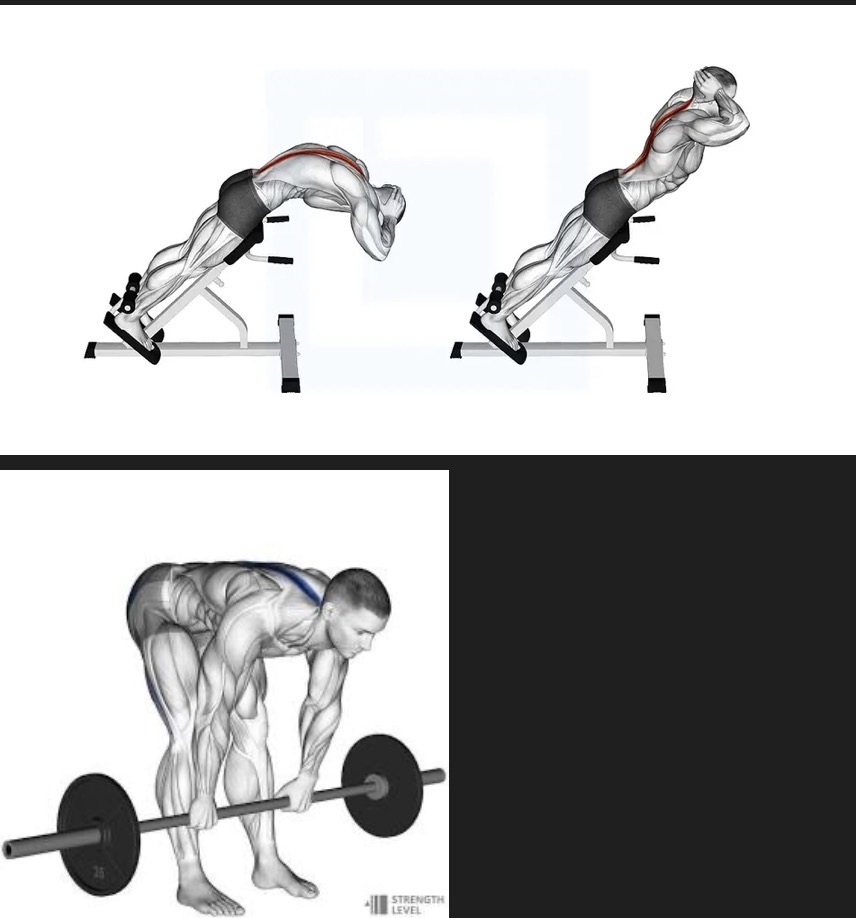
- Joined
- Mar 31, 2026
- Messages
- 9
- Trophy Points
- 170
In this guide I will explain how to get the physique you always wanted to get without any BS. This is mainly got naturals!!!!
THIS GUIDE IS MAINLY FOR NATURALS NOT ENHANCED. TLDR FOR ENHANCED BRAS: do what ever you want you will still grow ton of muscle.

In this guide I will show my program and also will teach YOU how to make your own program.
I wanted do a an exercises selection with each exercise for each muscle group section but it was too many words ):
Nutrition is probably the most talked about topic in the fitness industry but still somehow very confusing and I can’t blame those who get confused, there is a lot of misinformation and misunderstanding when it comes to this topic. But nutrition is as if not more important than working out and the crazy part is that most people are eating like shit, then feel like shit and look like shit, guess why?
I hope you learnt something new. I tried going over everything but the character limit really didn’t let me…
Anyway, get jacked brothers hope this guide helped you
@got.daim

THIS GUIDE IS MAINLY FOR NATURALS NOT ENHANCED. TLDR FOR ENHANCED BRAS: do what ever you want you will still grow ton of muscle.

In this guide I will show my program and also will teach YOU how to make your own program.
(When I say program I mean exercises, goals, sets, reps, RIR and more etc etc).
So I’ve changed my program A LOT lately since I am a bored Chud and I’m a retarded, so I kinda zoomed out on my program to finalize my changes and to change my program once and for all (I hope so at least). It’s kinda of a do as I say not as I do moment since I always say to not change your program very frequently and that adherence is key etc.
I’m now maintaining my BODY FAT% NOT BODY WEIGHT like a lot of people are thinking. MAINTAINING IS MAINTAINING BODY FAT NOT BODY WEIGHT! So my maintenance is 2,500 and I’m eating around 2,400-2,550.
My diet is not as strict as it used to be since my waking hours changes very frequently but I’m eating between 90-120 grams of protein (mostly I’m on the lower end), 250-350g of carbs and the rest are fats. I won’t talk about MY diet but I will help you guys out later with your diet.
My FBeod program
Weak to strong (1 is weak 3 is strong) muscle groups
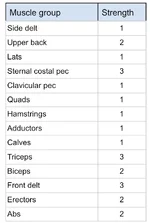
Exercises

Sets per workout including overlap:
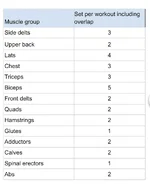
Biceps are very high because I include the back exercises (T bar and wide grip lat pulldown).
Sets per week NOT including overlap
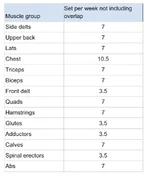
So I’ve changed my program A LOT lately since I am a bored Chud and I’m a retarded, so I kinda zoomed out on my program to finalize my changes and to change my program once and for all (I hope so at least). It’s kinda of a do as I say not as I do moment since I always say to not change your program very frequently and that adherence is key etc.
I’m now maintaining my BODY FAT% NOT BODY WEIGHT like a lot of people are thinking. MAINTAINING IS MAINTAINING BODY FAT NOT BODY WEIGHT! So my maintenance is 2,500 and I’m eating around 2,400-2,550.
My diet is not as strict as it used to be since my waking hours changes very frequently but I’m eating between 90-120 grams of protein (mostly I’m on the lower end), 250-350g of carbs and the rest are fats. I won’t talk about MY diet but I will help you guys out later with your diet.
My FBeod program
Weak to strong (1 is weak 3 is strong) muscle groups

Exercises

Sets per workout including overlap:

Biceps are very high because I include the back exercises (T bar and wide grip lat pulldown).
Sets per week NOT including overlap

1. What actually is the main driver of hypertrophy
this is a VERY common topic people talk about which is pretty stupid since it’s objective not subjective. Muscle hypertrophy is solely driven by mechanical tension. Nothing else.
For those who don’t know what mechanical tension is, it’s simply the pulling force your muscle fibers experience during slow contractions. As velocity decreases, fiber force increases. (Inverse relationship).
During slow velocity contraction speeds, fibers has the most action-myosin crrosbridges- basically the most amount of force.

So how does MT create hypertrophy - it’s basically the stimulus that tells your body to add contractile tissue, mechanoreceptors within the muscle fibers detect MT, causing a series of signals that ultimately produce growth by increasing protein synthesis rate.
Heavier weight ≠ more mechanical tension btw, MT only exists on the force velocity curve, load doesn’t matter as long as contraction speed is slow. I’m not saying you shouldn’t lift heavier loads, heavier loads are helpful for other reasons. Mechanical tension and motor unit recruitment are 2 Different things.
For example, if I press a barbell with 5 kg each side (so 30 kg in total) but in slow velocity, will it create high fiber force ? The answer is yes since there is a slow contraction velocity. Don’t confuse MT with MUR.
So to clarify, you won’t grow if you only do slow contractions with light loads, This will only stimulate the active fibers, which will not be enough for growth because you are so low in the motor unit pool due to low effort.
BTW, micro tears do NOT mean more muscle gain it’s actually the opposite.
niche methods to increase MUR:
1.When it comes to warming up your muscles, the main mechanism by which their beneficial is something called Post Activation Potentiation (PAP). It’s a tool to use if you want your sets to be as stimulating and productive as possible.
PAP is a phenomenon of temporarily increasing muscle force production following a muscle contraction thus increasing recruitment of motors units, mechanical tension etc.
You can use PAP in your training by doing 1-2 reps which are 80-90% of your working set weight 30s-1m before your actual working set, and using schizo reps (will talk about it later).
So what the PAP effect does exactly you may ask? When we train, we have actin and myosin cross bridges:
Spoiler: Actin and myosin cross bridges
So what happens when you use PAP, I.e do 1-2 reps with 80-90% of your working set ?you activate your (target/goal) muscle fibers thus your myosin is prepositioned
so instead of being here:
Pre PAP actin and myosin cross bridges
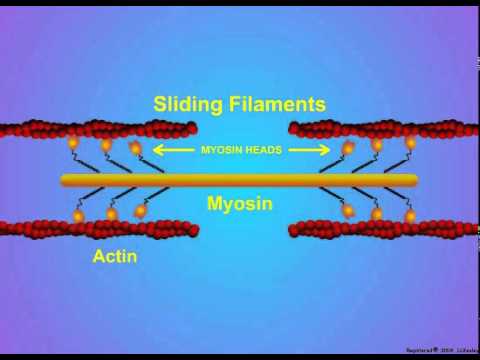
The myosin gets close to the actin like shown here (used Gemini for the pic since I’m bad at editing lol):

Look at the differences in the heads of the myosin.
So when the myosin is prepositioned closer, it’s able to more sufficiently cross bridge thus we are able to have a higher rate of cross bridges leading to more mechanical tension (the main driver of muscle growth).
Worst case scenario PAP can reduce our risk of injury and best case scenario it can lead to more gains.
Another way of using PAP is doing something called “schizo reps”, if you are part of the SBL niche you probably heard about it. For those who don’t know what it is, it’s basically a few reps (3-6 ideally) where you don’t use any weight and just do the movement of your working set VERY fast right before you’re performing the working set. it follows the same pattern as doing 80-90% of your working set for 1-2 reps 30s-1m before your working set.
The schizo reps are a great option too but you can look autistic as you’re doing them.
how PAP works isn’t 100% understood but it’s probably the combination of increased motor neuron activity and biochemical processes in our muscle fibers.
2. bluetooth handles\mouth guards help increase force output by leveraging the H-reflex, or Hoffman reflex. This is essentially a measurement of your spinal cord's ability to activate muscle fibers; the higher the reflex, the more "ready" your muscles are to fire with maximum power.
This phenomenon is grounded in Sherrington’s Law of Irradiation. This law states that a muscle contracting fully will "irradiate" or spill over its energy to neighboring muscles. By creating high tension in one area, you can actually recruit more motor units in another. While many athletes focus on squeezing a fist or extending the wrist to create this tension, research suggests that clenching the jaw is actually more effective at boosting the H-reflex, so a mouth guard is great for that goal.

2. Progressive overload.
Progressive overload is one of the most nuanced topic in the fitness community. I will say this once and for all, progressive overload is a reward for gaining muscle growth, ITS NOT the cause of muscle growth, it’s the result. Dont force progressive overload, let it come to you, if it doesn’t, then you are doing something wrong. If you will force it, your form will be worse and your neurons wont adapt to the movement.
For example: if you do exercises in the 4-8 rep ranges, then when you come to 7/8 rep with good form, you can up the weight For example you did 8 reps in the bench vs in lateral raises, you won’t increase the same amount of weight, right? Then do it accordingly to the exercise.
3. Volume
Volume is the number of working sets done in a session or per week.difference between working sets and normal sets is that working sets are the one who will cause the most hypertrophy (taken close or to failure).
Too much volume can cause excessive CNS and peripheral fatigue hence your lifts will drop. And too less volume will make you leave gains on the table
I would suggest you to do the 5 sets rule in your sessions, what is it you probably ask, so the 5 sets rule is to do MAX 5 sets per muscle groups including overlap. For example- 2 sets of shoulder press and 3 sets of any chest press exercise will count as 5 sets for your front delt. So this is the maximum volume you should do per session, don’t go over it and even getting to it can be pretty fatiguing depends on your split. This way you can also find your MAV (the amount of volume you should be doing). The 5 sets rule also changes depending on your split, for exmaple if you do PPL, you will be able to do more sets than if you would be doing FullBody.
Don’t do 1 set per muscle group even if you do full body (a very CNS fatigue demanding split), do at least 2 sets. You can do 1 set per session if you really short on time or the muscle group you are doing the 1 set in is a strong point.
Also another rule you need to follow is more isn’t always better, if you can’t recover from much volume, your gains WILL hinder.
4. Intensity
Intensity for those who don’t know is how hard you go in a set. For example high intensity is going VERY hard (to failure) and low intensity is stopping a few reps from failure, the close you are to failure the most stimulating the set is.

So is going to failure every set will make you the most gains? No. Most people think going to failure is the most optimal for building muscle, but it’s really not. When you go to failure your muscles do stimulate the most, but it also makes you VERY fatigued (both CNS and peripheral fatigued), so let’s say you go to failures each set, you will get tired VERY fast which will hinder the rest of your workout performance. So what should you do? Use RIR (reps in reverse), for those of you who don’t know what it is, RIR simply means how many sets you left in reserve in your working set. For example if you did 6 sets but you could’ve done 2 more, you did 2 RIR. Also, there is a difference between 0 RIR and reaching failure, 0 RIR simply means that the next rep you stoppped 1 set away from failure. But when you reach failure it’s minus RIR since you went beyond 0 RIR. When you do 1RIR you will be less fatigued and your late session working sets will be much more stimulating since you will be able to do more reps with probably more weight as opposed to going to failure which will make you much more fatigued, so the 1-2 RIR will result in more total growth stimulus per session. Who should use RIR? I would opt RIR ONLY to advanced trainers since they are probably the only ones who can gauge their RIR and they can know what failure feels like considering they went to failure in most of their working sets. New trainers can’t gauge RIR since they don’t know what failure looks like, so I would opt for new trainers to reach failure for a few months before starting to use RIR.
So why 1 RIR can be better than 0 RIR/failure? Even tho we know failure is more stimulating, it’s also more fatiguing, which as I already said, will be worse for later sets performance. 1 RIR can be just as stimulating as well while being much less fatiguing, so you will be able to perform great in later sets. I will give you an example- if you would do a push session with 12 sets, if you take each one to failure you will get less total stimulus since after the set 5/6 ish you will get very fatigued, as opposed to if you would do 1-2 RIR you will create more stimulus since you will get dramatically less fatigue with more or less the same stimulus per set.
So how can we use it in our training to maximize hypertrophy ? It really depends on your split and how many set you got in your sessions, but I would opt for 1-2 RIR for compounds and very fatigue demanding exercises, and 0-1 RIR for isolation/single joint exercises.
5. Recovery
I will talk here about both intra session and inter session recovery.
Intra session recovery:
intra session recovery means recovery during your workout, so mainly recovery between your sets and how to keep being recovered during your whole workout. After a set that is very hard, ATP and phosphocreatine stored are depleted, metabolic byproducts like lactate and hydrogen ions accumulate, and your nervous system become temporarily fatigued, between sets, your body partially restores these systems so you can perform the next set effectively. That’s why you need to take a long rest until your next set, if rest time is too short you start the next set too fatigued which will lead to fewer reps and your CNS will be able to recruit less high threshold motor units. so how can you be 100% recovered in your workouts? First thing is resting time between sets. Most people rest 1.5-2.5 minutes per set, which is great if you are not going hard enough lol. If you go hard enough 0-2 RIR, you will need more resting time. Without much BS: for compounds I would opt for 4-5 minutes and for single joint exercise I would opt for 3-4 minutes considering you go hard in your sets. But in general, if your heart beat (get a watch to check it) is fine and went back to normal and when you feel recovered, you can start the set before the time you have set it to. During your exercises don’t be on your phone or at least don’t do anything that distracts you and take your focus away from your next set. Also, another thing 99% of people don’t do but can make your workout much much better, is to take intra workout carbs. So a bit before you reach the half of your session, take fast digesting carbs and I would opt for 30-45 G of carbs.
Inter session recovery:
Inter session is basically between each session. You get the stimulus in your training while you build it in your recovery days. So to maximize your recovery between sessions, you need to and this will be surprising, to REST

, yeah, don’t do any thing that will make your muscles tired (as examples blue collar jobs), eat a lot of carbs (200-250g). Nothing to say really, it’s that simple.
Another thing to mention is how to know if you’re recovered. So how to know that? Simple, considering you are with the same sleep or at least in the normal sleep time range (8+ hours) and you took the same preworkout and the variables before the workouts are pretty much the same then if last workout you did for example 8 sets for chest and you come this session and your strength has dropped, then you probably did too much volume for chest last time. So what to do? Get your chest volume down (so in this case to 3-4 sets) since you probably done too many last session and you can’t recover from that. So now let’s say you dropped it to 4 sets and you start progressing faster than when you did 8 sets,then that’s a great sign and it probably means 4 is close or is the amount of sets you should be doing but that’s only is assumption, so what you should do is to try different things, if you can recover from 4 sets and you progress in this sets ranges it doesn’t mean it’s how much you should do, since you didn’t try 5 sets, so what you should do is to try 5 sets for a week or two and see if you can progress on it and you recover from it, if you do, that’s great, try 6 and so on. Same goes for going backwards, so for example going to 3 sets maybe would be better and you would do the same progress as with 3 with less fatigue. So what I would recommend it’s to experiment, everyone’s got a difference genetic and there isn’t a magical number everyone should be doing in order to make progress, so check what’s better for you.
this is a VERY common topic people talk about which is pretty stupid since it’s objective not subjective. Muscle hypertrophy is solely driven by mechanical tension. Nothing else.
For those who don’t know what mechanical tension is, it’s simply the pulling force your muscle fibers experience during slow contractions. As velocity decreases, fiber force increases. (Inverse relationship).
During slow velocity contraction speeds, fibers has the most action-myosin crrosbridges- basically the most amount of force.
So how does MT create hypertrophy - it’s basically the stimulus that tells your body to add contractile tissue, mechanoreceptors within the muscle fibers detect MT, causing a series of signals that ultimately produce growth by increasing protein synthesis rate.
Heavier weight ≠ more mechanical tension btw, MT only exists on the force velocity curve, load doesn’t matter as long as contraction speed is slow. I’m not saying you shouldn’t lift heavier loads, heavier loads are helpful for other reasons. Mechanical tension and motor unit recruitment are 2 Different things.
For example, if I press a barbell with 5 kg each side (so 30 kg in total) but in slow velocity, will it create high fiber force ? The answer is yes since there is a slow contraction velocity. Don’t confuse MT with MUR.
So to clarify, you won’t grow if you only do slow contractions with light loads, This will only stimulate the active fibers, which will not be enough for growth because you are so low in the motor unit pool due to low effort.
BTW, micro tears do NOT mean more muscle gain it’s actually the opposite.
niche methods to increase MUR:
1.When it comes to warming up your muscles, the main mechanism by which their beneficial is something called Post Activation Potentiation (PAP). It’s a tool to use if you want your sets to be as stimulating and productive as possible.
PAP is a phenomenon of temporarily increasing muscle force production following a muscle contraction thus increasing recruitment of motors units, mechanical tension etc.
You can use PAP in your training by doing 1-2 reps which are 80-90% of your working set weight 30s-1m before your actual working set, and using schizo reps (will talk about it later).
So what the PAP effect does exactly you may ask? When we train, we have actin and myosin cross bridges:
Spoiler: Actin and myosin cross bridges
So what happens when you use PAP, I.e do 1-2 reps with 80-90% of your working set ?you activate your (target/goal) muscle fibers thus your myosin is prepositioned
so instead of being here:
Pre PAP actin and myosin cross bridges
The myosin gets close to the actin like shown here (used Gemini for the pic since I’m bad at editing lol):
Look at the differences in the heads of the myosin.
So when the myosin is prepositioned closer, it’s able to more sufficiently cross bridge thus we are able to have a higher rate of cross bridges leading to more mechanical tension (the main driver of muscle growth).
Worst case scenario PAP can reduce our risk of injury and best case scenario it can lead to more gains.
Another way of using PAP is doing something called “schizo reps”, if you are part of the SBL niche you probably heard about it. For those who don’t know what it is, it’s basically a few reps (3-6 ideally) where you don’t use any weight and just do the movement of your working set VERY fast right before you’re performing the working set. it follows the same pattern as doing 80-90% of your working set for 1-2 reps 30s-1m before your working set.
The schizo reps are a great option too but you can look autistic as you’re doing them.
how PAP works isn’t 100% understood but it’s probably the combination of increased motor neuron activity and biochemical processes in our muscle fibers.
2. bluetooth handles\mouth guards help increase force output by leveraging the H-reflex, or Hoffman reflex. This is essentially a measurement of your spinal cord's ability to activate muscle fibers; the higher the reflex, the more "ready" your muscles are to fire with maximum power.
This phenomenon is grounded in Sherrington’s Law of Irradiation. This law states that a muscle contracting fully will "irradiate" or spill over its energy to neighboring muscles. By creating high tension in one area, you can actually recruit more motor units in another. While many athletes focus on squeezing a fist or extending the wrist to create this tension, research suggests that clenching the jaw is actually more effective at boosting the H-reflex, so a mouth guard is great for that goal.
2. Progressive overload.
Progressive overload is one of the most nuanced topic in the fitness community. I will say this once and for all, progressive overload is a reward for gaining muscle growth, ITS NOT the cause of muscle growth, it’s the result. Dont force progressive overload, let it come to you, if it doesn’t, then you are doing something wrong. If you will force it, your form will be worse and your neurons wont adapt to the movement.
For example: if you do exercises in the 4-8 rep ranges, then when you come to 7/8 rep with good form, you can up the weight For example you did 8 reps in the bench vs in lateral raises, you won’t increase the same amount of weight, right? Then do it accordingly to the exercise.
3. Volume
Volume is the number of working sets done in a session or per week.difference between working sets and normal sets is that working sets are the one who will cause the most hypertrophy (taken close or to failure).
Too much volume can cause excessive CNS and peripheral fatigue hence your lifts will drop. And too less volume will make you leave gains on the table
I would suggest you to do the 5 sets rule in your sessions, what is it you probably ask, so the 5 sets rule is to do MAX 5 sets per muscle groups including overlap. For example- 2 sets of shoulder press and 3 sets of any chest press exercise will count as 5 sets for your front delt. So this is the maximum volume you should do per session, don’t go over it and even getting to it can be pretty fatiguing depends on your split. This way you can also find your MAV (the amount of volume you should be doing). The 5 sets rule also changes depending on your split, for exmaple if you do PPL, you will be able to do more sets than if you would be doing FullBody.
Don’t do 1 set per muscle group even if you do full body (a very CNS fatigue demanding split), do at least 2 sets. You can do 1 set per session if you really short on time or the muscle group you are doing the 1 set in is a strong point.
Also another rule you need to follow is more isn’t always better, if you can’t recover from much volume, your gains WILL hinder.
4. Intensity
Intensity for those who don’t know is how hard you go in a set. For example high intensity is going VERY hard (to failure) and low intensity is stopping a few reps from failure, the close you are to failure the most stimulating the set is.
So is going to failure every set will make you the most gains? No. Most people think going to failure is the most optimal for building muscle, but it’s really not. When you go to failure your muscles do stimulate the most, but it also makes you VERY fatigued (both CNS and peripheral fatigued), so let’s say you go to failures each set, you will get tired VERY fast which will hinder the rest of your workout performance. So what should you do? Use RIR (reps in reverse), for those of you who don’t know what it is, RIR simply means how many sets you left in reserve in your working set. For example if you did 6 sets but you could’ve done 2 more, you did 2 RIR. Also, there is a difference between 0 RIR and reaching failure, 0 RIR simply means that the next rep you stoppped 1 set away from failure. But when you reach failure it’s minus RIR since you went beyond 0 RIR. When you do 1RIR you will be less fatigued and your late session working sets will be much more stimulating since you will be able to do more reps with probably more weight as opposed to going to failure which will make you much more fatigued, so the 1-2 RIR will result in more total growth stimulus per session. Who should use RIR? I would opt RIR ONLY to advanced trainers since they are probably the only ones who can gauge their RIR and they can know what failure feels like considering they went to failure in most of their working sets. New trainers can’t gauge RIR since they don’t know what failure looks like, so I would opt for new trainers to reach failure for a few months before starting to use RIR.
So why 1 RIR can be better than 0 RIR/failure? Even tho we know failure is more stimulating, it’s also more fatiguing, which as I already said, will be worse for later sets performance. 1 RIR can be just as stimulating as well while being much less fatiguing, so you will be able to perform great in later sets. I will give you an example- if you would do a push session with 12 sets, if you take each one to failure you will get less total stimulus since after the set 5/6 ish you will get very fatigued, as opposed to if you would do 1-2 RIR you will create more stimulus since you will get dramatically less fatigue with more or less the same stimulus per set.
So how can we use it in our training to maximize hypertrophy ? It really depends on your split and how many set you got in your sessions, but I would opt for 1-2 RIR for compounds and very fatigue demanding exercises, and 0-1 RIR for isolation/single joint exercises.
5. Recovery
I will talk here about both intra session and inter session recovery.
Intra session recovery:
intra session recovery means recovery during your workout, so mainly recovery between your sets and how to keep being recovered during your whole workout. After a set that is very hard, ATP and phosphocreatine stored are depleted, metabolic byproducts like lactate and hydrogen ions accumulate, and your nervous system become temporarily fatigued, between sets, your body partially restores these systems so you can perform the next set effectively. That’s why you need to take a long rest until your next set, if rest time is too short you start the next set too fatigued which will lead to fewer reps and your CNS will be able to recruit less high threshold motor units. so how can you be 100% recovered in your workouts? First thing is resting time between sets. Most people rest 1.5-2.5 minutes per set, which is great if you are not going hard enough lol. If you go hard enough 0-2 RIR, you will need more resting time. Without much BS: for compounds I would opt for 4-5 minutes and for single joint exercise I would opt for 3-4 minutes considering you go hard in your sets. But in general, if your heart beat (get a watch to check it) is fine and went back to normal and when you feel recovered, you can start the set before the time you have set it to. During your exercises don’t be on your phone or at least don’t do anything that distracts you and take your focus away from your next set. Also, another thing 99% of people don’t do but can make your workout much much better, is to take intra workout carbs. So a bit before you reach the half of your session, take fast digesting carbs and I would opt for 30-45 G of carbs.
Inter session recovery:
Inter session is basically between each session. You get the stimulus in your training while you build it in your recovery days. So to maximize your recovery between sessions, you need to and this will be surprising, to REST

, yeah, don’t do any thing that will make your muscles tired (as examples blue collar jobs), eat a lot of carbs (200-250g). Nothing to say really, it’s that simple.
Another thing to mention is how to know if you’re recovered. So how to know that? Simple, considering you are with the same sleep or at least in the normal sleep time range (8+ hours) and you took the same preworkout and the variables before the workouts are pretty much the same then if last workout you did for example 8 sets for chest and you come this session and your strength has dropped, then you probably did too much volume for chest last time. So what to do? Get your chest volume down (so in this case to 3-4 sets) since you probably done too many last session and you can’t recover from that. So now let’s say you dropped it to 4 sets and you start progressing faster than when you did 8 sets,then that’s a great sign and it probably means 4 is close or is the amount of sets you should be doing but that’s only is assumption, so what you should do is to try different things, if you can recover from 4 sets and you progress in this sets ranges it doesn’t mean it’s how much you should do, since you didn’t try 5 sets, so what you should do is to try 5 sets for a week or two and see if you can progress on it and you recover from it, if you do, that’s great, try 6 and so on. Same goes for going backwards, so for example going to 3 sets maybe would be better and you would do the same progress as with 3 with less fatigue. So what I would recommend it’s to experiment, everyone’s got a difference genetic and there isn’t a magical number everyone should be doing in order to make progress, so check what’s better for you.
HOW TO ACTUALLY PROGRAM VOLUME
volume is fundamentally based on frequency. Imagine I told you to do 20 sets of bicep curls and then told you you would need to do that every other day. This would lead to a frequency of 3.5x/week and overall weekly volume of 105 sets. Despite what some would have you believe, I cannot in any world imagine this to be effective training. And while I would still consider you crazy if you programmed biceps 1x/week with 30 sets, it would make far more sense than the prior option.
In other words, your volume is going to be HIGHLY dependent on your frequency with the two being inversely proportional (As volume per day goes up, frequency must come down). My guideline in the majority of cases (assuming sets taken to 0-1RIR) would be as follows:
* 3x/week frequency or more: 1-3 direct sets/day
* 2x/week frequency: 2-6 direct sets/day
* 1x/week frequency: 6+ (can obviously be quite high)
This may seem quite low (and compared to a lot of bodybuilding history it is) but I would contend that there are many reasons this can be highly effective. One reason is that many people simply don't train as intensely as they believe and therefore miss out on stimulus on a set per set basis. And the other is that I'm referring to DIRECT sets. Much of the literature involving volume gets heavily bogged down by indirect sets.
Hypothetically let's imagine a program that only uses single joint movements. The goal of the program is to train all of the major muscle groups most heavily associated with bodybuilding. Those are as follows:
Calves, Adductors, Hamstrings, Quads, Glutes, Erectors, Lats, Traps/Rhomboids, Chest, Biceps, Triceps, Abdominals, Shoulders (could be split into anterior, middle, and posterior, but we'll just keep them together for the example)
Here we are looking at a MINIMUM of 12 muscle groups and, if isolated/severely biased, 12 exercises. Automatically that would mean 36 total sets in a week for the 3x frequency MINIMUM and going over 100 total weekly sets if 3 direct sets were done each day. Add to this that many people who are currently attempting to isolate every possible exercise are also doing a majority of their exercises unilaterally AND doing multiple movements per muscle group for even more severe biasing. This is a maximalist way of viewing programming and can easily lead to hundreds of working sets.
That being said, part of the reason compound movements are so heavily relied upon is due to their ability to reduce overall set volume. Imagine if someone does a squat pattern and counts that towards glute, adductor and quadriceps volume. Throw in a chest press and a non chest supported row and you've now (in many people's minds) put at least some volume towards every muscle group listed other than the calves. 3 movements, 11 muscle groups. This would be the minimalist way of viewing programming. 1-2 sets in a day for each movement and you could be doing as little as 15-20 total working sets in a week.
As with most things, I personally believe that the true solution for the majority of people is going to lie somewhere in the middle. If the literature has taught us anything about maximizing muscle growth, much to the chagrin of absolutists, it has taught us that there are a number of very efficient ways to get to the same goal (huge muscles). My goal is to help you in the simplest ways I can to achieve a bodybuilder worthy physique. And don't worry if you have zero aspirations to become a competitor. You know what you do if you don't want to "get too big". Stop progressively overloading once you're happy with your size. But until you achieve that size (spoiler-it's probably going to take way more work than you think) you better be training and eating like you want to be the next Mr O.
HOW TO ACTUALLY PROGRAM FREQUENCY
First thing we need to decide is what general frequency you’re going to do for a muscle group. The overall body of literature seems to suggest that working a muscle group more than once a week is preferable for growth. There is heavy debate within the science based community on whether 2x or 3x is better. Some even argue for hitting a muscle group every other day (3.5x frequency), which is what I do
In the end, your safest bet is going to be a training frequency that you enjoy and gives adequate stimulus and rest.
However if we look at things objectively (especially with lower volume training) it becomes very tough to argue 1x/week being able to compete with 2, 3 or 3.5 times per week frequency. Which brings me to my next important point. How many sets I suggest you program for a muscle group will change based on your overall frequency. If you are only training a muscle group 1x/week, I would suggest keeping your volume quite high. Simply put, you will both have a long time to recover and possibly a long time for atrophy if you go 7 full days without a significant stimulus. So while I don't generally advise training muscle groups 1x/week, if you do, I would prefer a rather high volume OR intensity techniques (drop sets, super sets etc) being added to some sets if you are planning on keeping set volume relatively low. If you have many variables right, it likely won't make an insane difference to have a couple that aren't absolute perfection.
With that out of the way, training with more than 1x/week frequency (if smartly managed) will likely lead to better results for the majority of lifters. This does NOT have to be exactly 2 or 3x frequency. As we alluded to before, some do 3.5x frequency or even higher. There is nothing inherently special about 7 days and your split does NOT need to be based around a calendar week. It is the format that most people adopt because humans like organization, but it is by no means a necessity.
PROGRAMMING AS A BEGINNER
Here is the most fundamental concept to understand. When you are completely new to the gym, muscle growth is EASY. Very basic guidelines can help you to pack on a lot of muscle. This is often why you'll hear advanced lifters say beginners need to "build their base" with very particular exercises like the squat, bench, and deadlift.
It is a very dumbed down way of saying that they'll gain plenty of muscle in the beginning if they just focus on big movements where the goal is to move a lot of weight with a large number of muscle groups. they're not far off the mark. While we're not going to get into Motor Unit Deficits (you can look this up on your own time if interested), the basic principle is new lifters just aren't that good at recruiting all of their muscle. So spending the majority of time in hyper specialization (unilateral single joint exercises) in my opinion doesn't make much sense.
I would much rather see a new lifter program 15-20 sets of compound movements in a training day and perhaps a few isolation sets (still bilateral) than some of the maximalist routines that are currently being performed. Here's a sample upper day that could make sense for someone new to the gym. All sets within 0-1RIR.
* Flat Chest Press - 4x6-10
* Chest Supported Row - 4x6-10
* Shoulder Press - 4x6-10
* Lat Pulldown - 4x6-10
* Lateral Raise - 2x8-12
* Bicep Curl - 2x8-12
* Tricep Extension - 2x8-12
And I'm sure many of you reading this are surprised at seeing a recommendation of 4 sets for exercises. Or the possibility of reps going above 10. But if you are new to the gym and you ran this exact upper day, you would gain A LOT of muscle in your first year of lifting. Does this mean that this structure is perfect for everyone? Of course not. But to deny that this would work efficiently for most beginners would be ignoring everything we see within the literature and anecdotal practices.
PROGRAMMING AS AN INTERMEDIATE
This is arguably tougher to manage than an advanced athlete. There’s a couple of reasons for this.
• Anybody who’s been in the gym for more than a few weeks assumes they're intermediate (they’re not)
• The true intermediates are often thinking they are advanced (they’re not)
• Intermediates assume they need highly advanced and specific training (they don’t)
So how do you know if you’re intermediate? if you’ve been training in a smart manner for 2-4 years, you would likely be getting into the intermediate phase. This should be clearly noticeable in your physique. If you tell me you’re an intermediate lifter and you’ve only built 10lb of muscle since you stepped into the gym (barring extreme circumstances) I’m going to look you dead in the eyes and tell you you’re still a beginner and should view training through that lens.
Now that we’ve made everyone question whether they are truly intermediate, major differences in programming are relatively minor on paper. The volume you COULD handle as a beginner is harder to handle as an intermediate. People often take that as saying you should automatically reduce your volume as an intermediate lifter. Not so. Perhaps you could have done more volume as a beginner lifter but simply didn't so there is no volume change going into your intermediate years. However, if you were maxing out volume in your first couple years you will almost certainly have to tone it back.
This often confuses people as they typically believe that in order to keep growing the volume has to go up not down. But as you become stronger and more capable of recruiting muscle to its fullest capacity, you will also be more capable of overdoing things from a damage and fatigue standpoint. For example, when sprinters are young they can run 100m as fast as they want and feel good to repeat that endeavor the next day, and the day after that. Professional sprinters know they cannot behave in the same manner. They would rip themselves apart. While the risks from slightly overdoing volume are not as great for lifters, they still exist.
Now onto how I think of programming for an intermediate (you’re perfectly free to disagree). Intermediates need to be a little more specific with their goals to keep progress coming quickly. Progress will inevitably be faster the first couple years even with basic programming, but intermediates might want to branch into biasing a little more heavily. This is when you start to think about weakpoints, managing fatigue a little more closely, heavier emphasis on isolation movements...etc.
A solid blend of heavier compounds and isolation movements make sense for an athlete in this phase. If you noticed with the beginner athlete we did not attempt to isolate any of the trunk muscles within the upper day. Shoulders, Biceps and Triceps were the only muscle groups that were given isolation. Now as an intermediate I think we can explore the idea of isolating trunk muscles as well. This does NOT mean that you must isolate everything that can be isolated. However, if you notice that the traps are behind other muscle groups, I personally believe adding in shrug variations would make sense. So let’s look at what upper programming MAY look like for said individual.
• * Incline Chest Press - 2x5-8
• * Lat Pulldown/Weighted Pullup - 2x6-10
• * Pec Fly - 2x5-8
• * Chest Supported Row - 2x5-8
• * Lateral Raise - 2x5-8
• * Preacher Curl - 2x5-8
• * Tricep Extension Underhead - 2x5-8
• * JM press - 1x5-8
Yes, this might be too much for some, but not for most. Most people would likely recover from that, if YOU can’t, then you can lower the volume, training is so individual dependent. I don't believe there has been a valid study demonstrating this and if you happen to be a person who believes they personally need to stay under a certain amount of sets, that is fine. Just don't mistake your personal situation for the standard. And if you do find yourself in that situation, the solution is relatively simple. Reduce volume for the exercises.
PROGRAMMING AS AN ADVANCED
This will likely involve additional specialization if you believe certain muscle groups are behind. Can you apply some of these principles as an intermediate athlete? Of course. But the law of diminishing returns suggests that specialization will always matter more the further you get into your training career. HOWEVER, even now there are many people specializing beyond what I believe to be necessary.
The easiest way to understand how training changes as you move into this phase of your career is to simply think about a few variables and how it will change your programming. Again these principles will somewhat apply to intermediate lifters as well, just not to the same extent.
Volume:
Advanced lifters will have a harder time handling intense workouts with very high volume than people who are earlier in their training career.
Intensity:
While advanced lifters still need to train with intensity, they must also be very aware of how training with too high of intensity too often (failure, partials, intensity techniques, etc) can limit their ability to progress consistently.
Isolation/Severe Biasing:
This variable becomes more important to continue to grow as an athlete gets more advanced. Can they still grow with large compound lifts? Sure. But the further you push into your training career the harder it becomes.
Stability:
This variable also becomes increasingly important as you get further in your career. No this does not mean you can't grow with freeweights. It simply means that leaning towards more and more stable movements makes sense.
A beginner getting 5-6hrs of sleep a night will still grow. As an advanced athlete that schedule will be MUCH tougher to progress with.
What do all of these things look like in practicality? The first thing you should do is list out your muscle groups in order of priority (we will talk about this more thoroughly later) You can further subdivide if you'd like but most often I think of trainable/important muscle groups in this format.
* Lats
* Shoulders
* Triceps
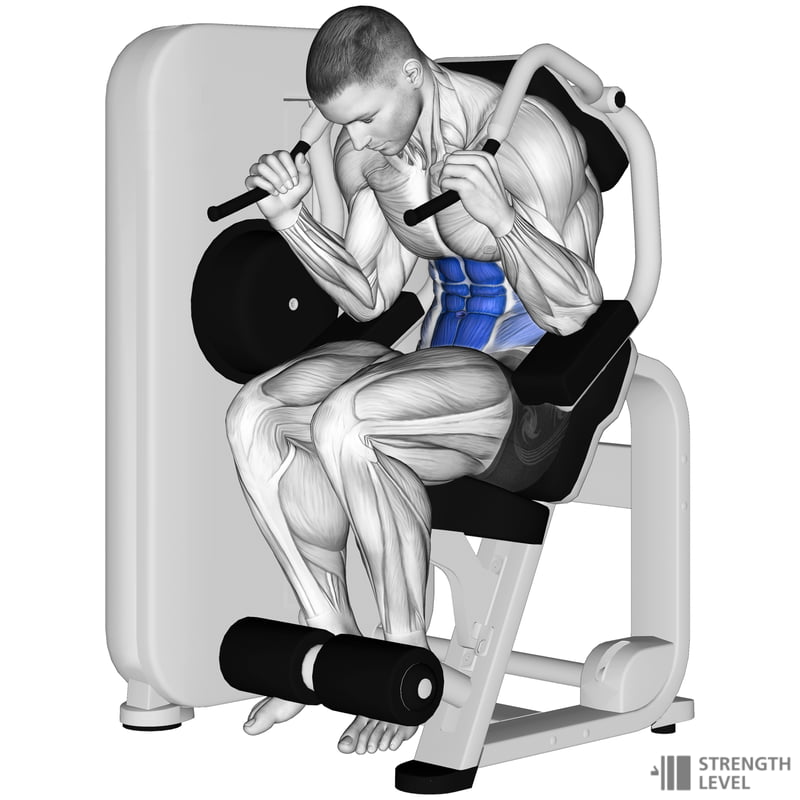
* Abs
* Traps
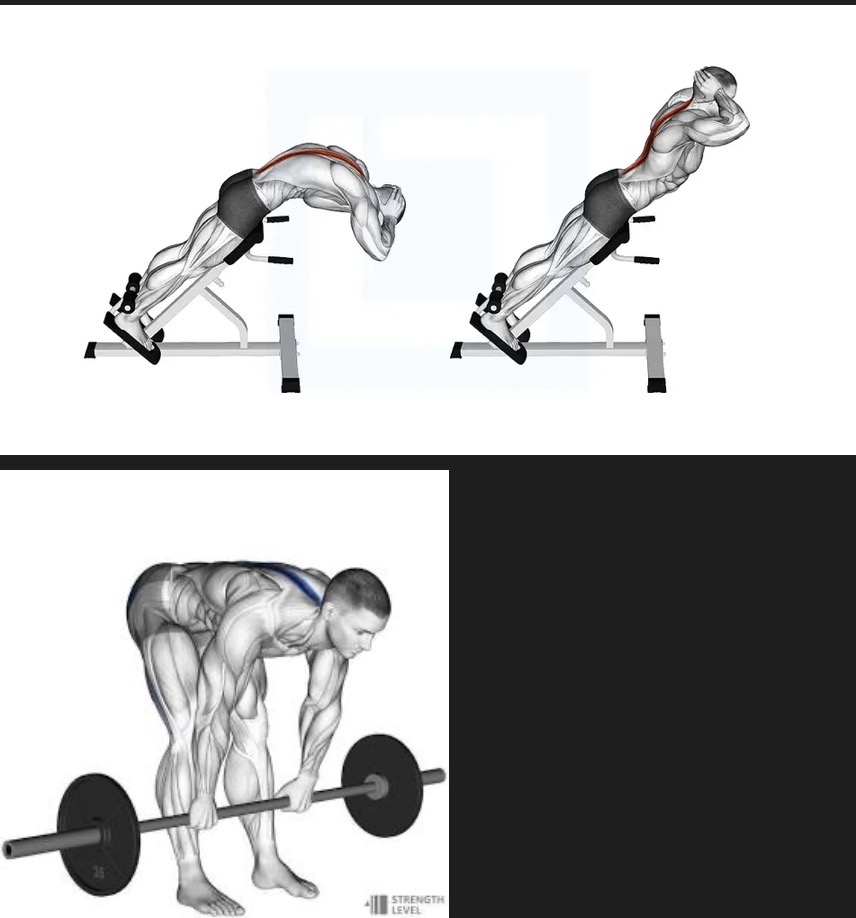
* Erectors
* Quads
* Hamstrings
* Forearms
* Chest
* Biceps
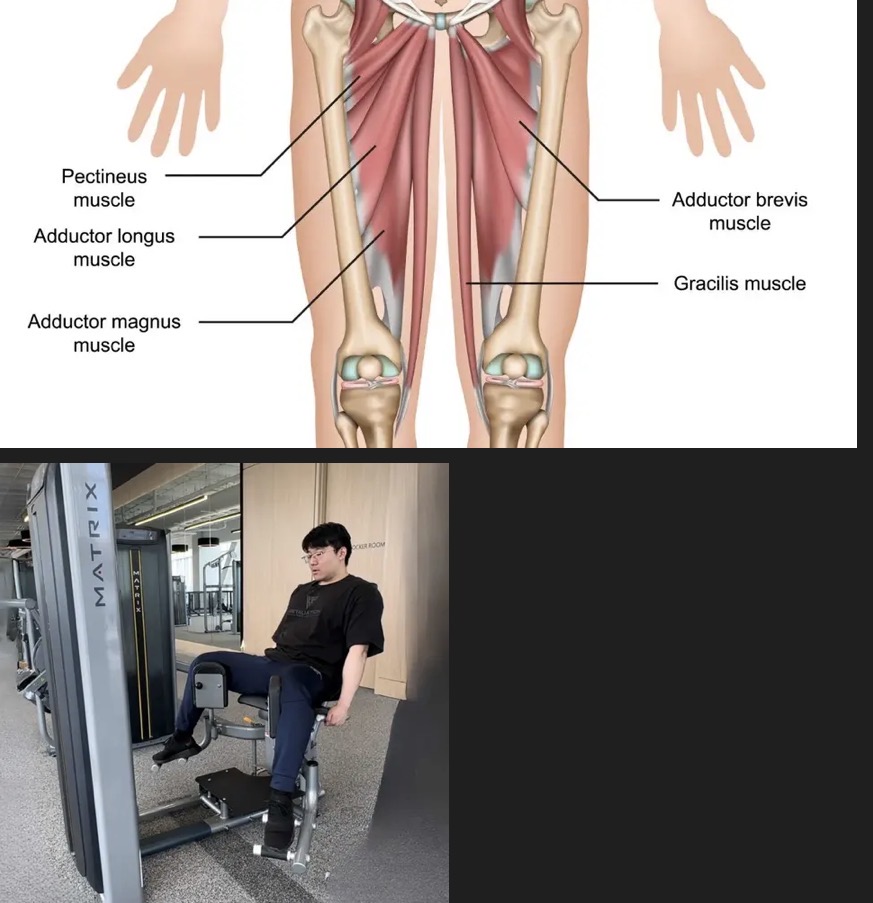
* Adductors
* Calves
A VERY important note is that this is heavily simplified and many people don't look at muscle groups this way at all. Simply put they understand that muscle biasing is real so they subdivide A LOT further and add in additional muscle groups. Let me show you what that list could look like (and yes I'll be missing quite a bit in some people’s minds).
* Lats (Upper and Lower regions)
* Traps (Upper, Middle, and Lower)
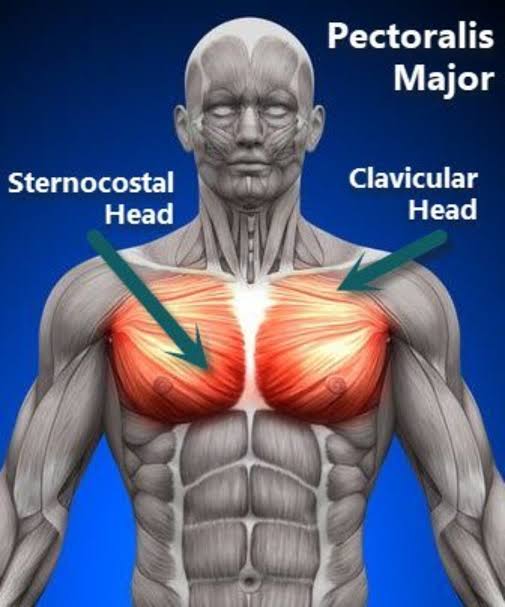
* Chest (Clavicular head and Sternocostal)
* Shoulders (Anterior, Posterior, Middle) (not going to get into the 7 regions conversation)
* Erectors
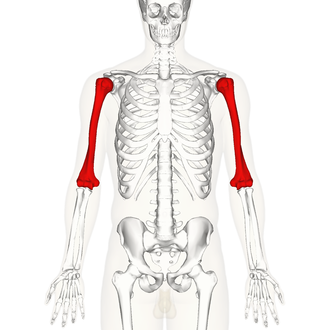
* Biceps (Biceps, Brachialis, Brachioradialis)
* Triceps (Lateral/Medial and Long Head)
* Quads (Vastus Muscles, Rectus Femoris)
* Adductors
* Hamstrings (Short Head, Long Head, Regional hypertrophy conversations)
* Calves (Soleus, Lateral and Medial Gastroc)
* Abs
* Tibialis
* Serratus
* Obliques
* Neck
* Forearms (Flexors/Extensors)
You get the picture...
IMO, this is great depends on your split and volume.
The rise of the maximalists has been interesting though and I’m curious to see if they’ll continue in this fashion and what types of physiques they’ll build with it. Maybe they’ll pioneer in a new age. I simply have my doubts.
Using the original list that I made, advanced athletes should look at what they want to prioritize and write out a list from strongest to weakest points OR most important to least important desire for growth. For example, that list for myself might look something like this:
1. Lats
2. Traps
3. Erectors
4. Chest
5. Biceps (Elbow Flexors)
6. Quads
7. Triceps
8. Abs
9. Hamstrings
10. Calves
11. Forearms
12. Shoulders
13. Adductors
All that this means is that in my current thinking for programming, lats are the number 1 priority and andductors are the least of my concerns. Your program needs to reflect your priorities as an advanced athlete. Here is my preferred thought process (you can develop your own if you want) for how I prioritize muscle groups within my programming.
Exercise selection (stable/loadable/more severe isolation) —> Order (earlier placement in workouts) —> Volume (likely going to have higher volume than groups that are not the priority) —> Regions (if there is a way to bias different portions of the muscle I will ensure a variety of exercises to achieve that purpose) —> Unilateral movements (can possibly lead to increased motor unit recruitment
depending on the exercise and muscle group).
Obviously other than Order, you could do all of these things for all muscle groups. Increase volume, unilateral movements, multiple movements for more biasing within the muscle region...but a program that sought to maximize every muscle in this manner would end up ridiculously long and be impossible to recover from. The body can only handle so much.
This is where you have to be smart on when and where to specialize. And this is why listing out your own priorities is so important. To make this more clear, let's imagine a “Back+Bi Day” together. I know it's scary to talk about a Pull day in 2025, but I promise you it can be done in a smart manner (I don’t advice to do it btw). Regardless, the same principles that I apply to this day can be applied to any other day in whatever programming you decide to run with.
First list out the muscle groups you want to train in order. For the breakdown I gave you before it would be Lats —> Rear Delts —> Traps —> Biceps —> Erectors.
There are a TON of ways you could set up this day, but the most important thing is to take the order into account. If I wrote out the day like this and did bicep curls first, that would be counter to my goals. Similarly, someone who is wanting to prioritize their biceps, but chooses NOT to do bicep curls first because it's a "small muscle group" is also programming counter to their goals. Regardless of what bros have told you in the past, if your priorities dictate it, "small" muscle groups CAN and SHOULD go earlier in your workout.
Now that we've figured out what order we would like to train in, exercise selection is the next step. Here's what a basic structure might look like for this context.
* Lat Pulldowns (wide)
* close grip lat pulldown
* Reverse Pec Deck
* Elbow Flared Row (T bar, upper back row)
* Preacher Curl
* 45’s
“Wait, wait, wait... I thought you said this was advanced...” you’re right. I am very explicitly stating to every single person that reads this guide that even an advanced athlete could make progress with something like this if they had appropriate intensity and volume for these exercises. Now that we have that out of the way for anybody who likes to be a little more minimalistic in their approach, a CURRENT pull day for me might look something more like this. This is assuming 2x/week frequency.
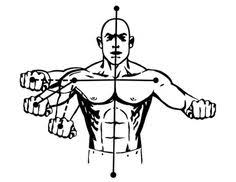
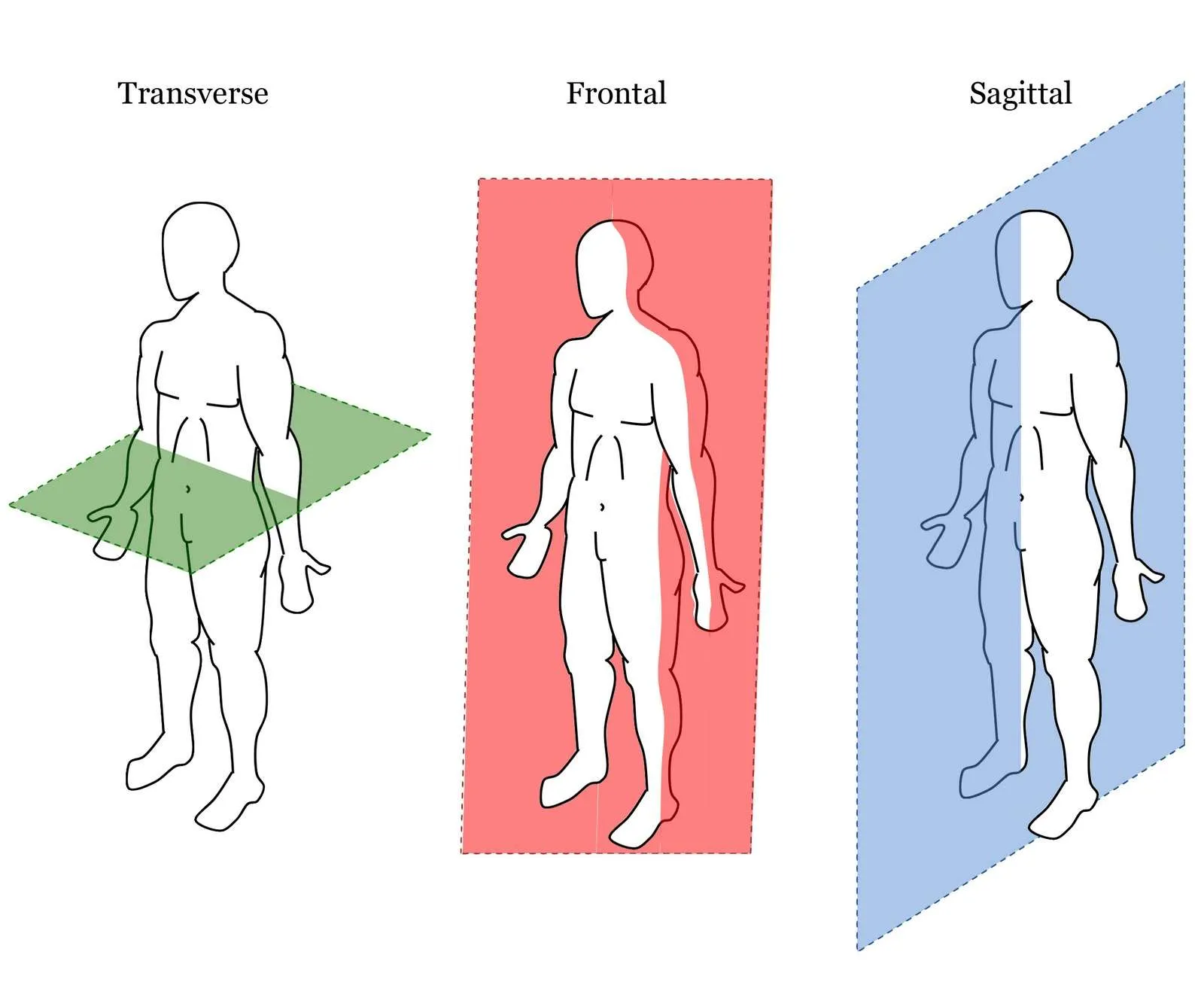
* wide grip lat pulldown/keenan flaps in frontal plane - 2 sets 0-1 RIR
* close grip lat pulldown/keenan flaps in sagittal plane - 2 sets 0-1 RIR
* reverse pec deck - 2 sets 0-1 RIR
* Kelso Shrug - 2 sets 0-1 RIR
* Upright Smith Machine Shrug (optional) - 1-2 sets 0-1 RIR
* Elbow Supported Curl (Preacher or Shoulder Extended) - 2 sets 0-1 RIR
* Humerus Supported Pronated Preacher Curl (descending+ascending profiles) - 1 set 0 RIR
* 45’s - 2 sets 0-1 RIR.
UNDERSTANDING THE THOUGHT PROCESS
Yes, I am completely aware that there are arguments happening as to whether you can even bias the lower and upper lats. What we do know for sure is that both of these exercises work the lats well. So I will continue to include both in my programming. They also may be unilateral exercises as lats are my number one priority. Rear delts will be heavily involved in the lat exercises so they will only have 2 sets of direct work. Traps are a complex muscle group and have heavily varied orientation to the fibers. A couple angles makes sense. The elbow flexor muscles are heavily influenced by resistance profiles and supination/pronation so a couple variations for this also makes sense to ensure adequate work for the Brachii, Brachialis, and Brachioradialis. The erectors are not overly important so they come last and have the lowest volume, but still solid exercise selection. Honestly this exercise likely wouldn't even be necessary in the context of an overall program if I had a heavy hinge on my leg day, but I merely wanted to highlight the erectors being a component of back development.
This workout occupies a middle ground for a lot of the lifting sphere at the moment. Maximalists would say it’s not specific enough. Minimalists would say it’s too much. Bros would say there’s too much isolation... And if you fall into any of these categories, that is completely fine. My goal behind making this programming guide is not to have you train precisely as I do. But rather to understand how to blend scientific ideas and the gym together in a way that is productive for YOU. This should go without saying, but if you are able to continue progressing these lifts with standardized form, you will continue to make muscular progress even if it isn’t perfect (hint: it never will be).
ADDITIONAL CONSIDERATIONS
Not everyone has the same amount of time available or desire to be in the gym. If you convinced me that being in the gym 4hrs/day 7 days a week would lead to the most muscle growth, guess how much time I would spend in the gym per week? 28hrs. So when it comes to intelligent programming you should also consider the cost and reward of your program. I legitimately believe most people could get the vast majority of their gains if they had VERY intelligent programming and were in the gym for 3hrs total per week. I believe they could still get good gains with only 2. I even believe they could get modest gains with 1. So you have to decide which type of person you are. Is the gym a semi interesting hobby, or do you absolutely love being there. Because I would not program the same way for each personality.
volume is fundamentally based on frequency. Imagine I told you to do 20 sets of bicep curls and then told you you would need to do that every other day. This would lead to a frequency of 3.5x/week and overall weekly volume of 105 sets. Despite what some would have you believe, I cannot in any world imagine this to be effective training. And while I would still consider you crazy if you programmed biceps 1x/week with 30 sets, it would make far more sense than the prior option.
In other words, your volume is going to be HIGHLY dependent on your frequency with the two being inversely proportional (As volume per day goes up, frequency must come down). My guideline in the majority of cases (assuming sets taken to 0-1RIR) would be as follows:
* 3x/week frequency or more: 1-3 direct sets/day
* 2x/week frequency: 2-6 direct sets/day
* 1x/week frequency: 6+ (can obviously be quite high)
This may seem quite low (and compared to a lot of bodybuilding history it is) but I would contend that there are many reasons this can be highly effective. One reason is that many people simply don't train as intensely as they believe and therefore miss out on stimulus on a set per set basis. And the other is that I'm referring to DIRECT sets. Much of the literature involving volume gets heavily bogged down by indirect sets.
Hypothetically let's imagine a program that only uses single joint movements. The goal of the program is to train all of the major muscle groups most heavily associated with bodybuilding. Those are as follows:
Calves, Adductors, Hamstrings, Quads, Glutes, Erectors, Lats, Traps/Rhomboids, Chest, Biceps, Triceps, Abdominals, Shoulders (could be split into anterior, middle, and posterior, but we'll just keep them together for the example)
Here we are looking at a MINIMUM of 12 muscle groups and, if isolated/severely biased, 12 exercises. Automatically that would mean 36 total sets in a week for the 3x frequency MINIMUM and going over 100 total weekly sets if 3 direct sets were done each day. Add to this that many people who are currently attempting to isolate every possible exercise are also doing a majority of their exercises unilaterally AND doing multiple movements per muscle group for even more severe biasing. This is a maximalist way of viewing programming and can easily lead to hundreds of working sets.
That being said, part of the reason compound movements are so heavily relied upon is due to their ability to reduce overall set volume. Imagine if someone does a squat pattern and counts that towards glute, adductor and quadriceps volume. Throw in a chest press and a non chest supported row and you've now (in many people's minds) put at least some volume towards every muscle group listed other than the calves. 3 movements, 11 muscle groups. This would be the minimalist way of viewing programming. 1-2 sets in a day for each movement and you could be doing as little as 15-20 total working sets in a week.
As with most things, I personally believe that the true solution for the majority of people is going to lie somewhere in the middle. If the literature has taught us anything about maximizing muscle growth, much to the chagrin of absolutists, it has taught us that there are a number of very efficient ways to get to the same goal (huge muscles). My goal is to help you in the simplest ways I can to achieve a bodybuilder worthy physique. And don't worry if you have zero aspirations to become a competitor. You know what you do if you don't want to "get too big". Stop progressively overloading once you're happy with your size. But until you achieve that size (spoiler-it's probably going to take way more work than you think) you better be training and eating like you want to be the next Mr O.
HOW TO ACTUALLY PROGRAM FREQUENCY
First thing we need to decide is what general frequency you’re going to do for a muscle group. The overall body of literature seems to suggest that working a muscle group more than once a week is preferable for growth. There is heavy debate within the science based community on whether 2x or 3x is better. Some even argue for hitting a muscle group every other day (3.5x frequency), which is what I do
In the end, your safest bet is going to be a training frequency that you enjoy and gives adequate stimulus and rest.
However if we look at things objectively (especially with lower volume training) it becomes very tough to argue 1x/week being able to compete with 2, 3 or 3.5 times per week frequency. Which brings me to my next important point. How many sets I suggest you program for a muscle group will change based on your overall frequency. If you are only training a muscle group 1x/week, I would suggest keeping your volume quite high. Simply put, you will both have a long time to recover and possibly a long time for atrophy if you go 7 full days without a significant stimulus. So while I don't generally advise training muscle groups 1x/week, if you do, I would prefer a rather high volume OR intensity techniques (drop sets, super sets etc) being added to some sets if you are planning on keeping set volume relatively low. If you have many variables right, it likely won't make an insane difference to have a couple that aren't absolute perfection.
With that out of the way, training with more than 1x/week frequency (if smartly managed) will likely lead to better results for the majority of lifters. This does NOT have to be exactly 2 or 3x frequency. As we alluded to before, some do 3.5x frequency or even higher. There is nothing inherently special about 7 days and your split does NOT need to be based around a calendar week. It is the format that most people adopt because humans like organization, but it is by no means a necessity.
PROGRAMMING AS A BEGINNER
Here is the most fundamental concept to understand. When you are completely new to the gym, muscle growth is EASY. Very basic guidelines can help you to pack on a lot of muscle. This is often why you'll hear advanced lifters say beginners need to "build their base" with very particular exercises like the squat, bench, and deadlift.
It is a very dumbed down way of saying that they'll gain plenty of muscle in the beginning if they just focus on big movements where the goal is to move a lot of weight with a large number of muscle groups. they're not far off the mark. While we're not going to get into Motor Unit Deficits (you can look this up on your own time if interested), the basic principle is new lifters just aren't that good at recruiting all of their muscle. So spending the majority of time in hyper specialization (unilateral single joint exercises) in my opinion doesn't make much sense.
I would much rather see a new lifter program 15-20 sets of compound movements in a training day and perhaps a few isolation sets (still bilateral) than some of the maximalist routines that are currently being performed. Here's a sample upper day that could make sense for someone new to the gym. All sets within 0-1RIR.
* Flat Chest Press - 4x6-10
* Chest Supported Row - 4x6-10
* Shoulder Press - 4x6-10
* Lat Pulldown - 4x6-10
* Lateral Raise - 2x8-12
* Bicep Curl - 2x8-12
* Tricep Extension - 2x8-12
And I'm sure many of you reading this are surprised at seeing a recommendation of 4 sets for exercises. Or the possibility of reps going above 10. But if you are new to the gym and you ran this exact upper day, you would gain A LOT of muscle in your first year of lifting. Does this mean that this structure is perfect for everyone? Of course not. But to deny that this would work efficiently for most beginners would be ignoring everything we see within the literature and anecdotal practices.
PROGRAMMING AS AN INTERMEDIATE
This is arguably tougher to manage than an advanced athlete. There’s a couple of reasons for this.
• Anybody who’s been in the gym for more than a few weeks assumes they're intermediate (they’re not)
• The true intermediates are often thinking they are advanced (they’re not)
• Intermediates assume they need highly advanced and specific training (they don’t)
So how do you know if you’re intermediate? if you’ve been training in a smart manner for 2-4 years, you would likely be getting into the intermediate phase. This should be clearly noticeable in your physique. If you tell me you’re an intermediate lifter and you’ve only built 10lb of muscle since you stepped into the gym (barring extreme circumstances) I’m going to look you dead in the eyes and tell you you’re still a beginner and should view training through that lens.
Now that we’ve made everyone question whether they are truly intermediate, major differences in programming are relatively minor on paper. The volume you COULD handle as a beginner is harder to handle as an intermediate. People often take that as saying you should automatically reduce your volume as an intermediate lifter. Not so. Perhaps you could have done more volume as a beginner lifter but simply didn't so there is no volume change going into your intermediate years. However, if you were maxing out volume in your first couple years you will almost certainly have to tone it back.
This often confuses people as they typically believe that in order to keep growing the volume has to go up not down. But as you become stronger and more capable of recruiting muscle to its fullest capacity, you will also be more capable of overdoing things from a damage and fatigue standpoint. For example, when sprinters are young they can run 100m as fast as they want and feel good to repeat that endeavor the next day, and the day after that. Professional sprinters know they cannot behave in the same manner. They would rip themselves apart. While the risks from slightly overdoing volume are not as great for lifters, they still exist.
Now onto how I think of programming for an intermediate (you’re perfectly free to disagree). Intermediates need to be a little more specific with their goals to keep progress coming quickly. Progress will inevitably be faster the first couple years even with basic programming, but intermediates might want to branch into biasing a little more heavily. This is when you start to think about weakpoints, managing fatigue a little more closely, heavier emphasis on isolation movements...etc.
A solid blend of heavier compounds and isolation movements make sense for an athlete in this phase. If you noticed with the beginner athlete we did not attempt to isolate any of the trunk muscles within the upper day. Shoulders, Biceps and Triceps were the only muscle groups that were given isolation. Now as an intermediate I think we can explore the idea of isolating trunk muscles as well. This does NOT mean that you must isolate everything that can be isolated. However, if you notice that the traps are behind other muscle groups, I personally believe adding in shrug variations would make sense. So let’s look at what upper programming MAY look like for said individual.
• * Incline Chest Press - 2x5-8
• * Lat Pulldown/Weighted Pullup - 2x6-10
• * Pec Fly - 2x5-8
• * Chest Supported Row - 2x5-8
• * Lateral Raise - 2x5-8
• * Preacher Curl - 2x5-8
• * Tricep Extension Underhead - 2x5-8
• * JM press - 1x5-8
Yes, this might be too much for some, but not for most. Most people would likely recover from that, if YOU can’t, then you can lower the volume, training is so individual dependent. I don't believe there has been a valid study demonstrating this and if you happen to be a person who believes they personally need to stay under a certain amount of sets, that is fine. Just don't mistake your personal situation for the standard. And if you do find yourself in that situation, the solution is relatively simple. Reduce volume for the exercises.
PROGRAMMING AS AN ADVANCED
This will likely involve additional specialization if you believe certain muscle groups are behind. Can you apply some of these principles as an intermediate athlete? Of course. But the law of diminishing returns suggests that specialization will always matter more the further you get into your training career. HOWEVER, even now there are many people specializing beyond what I believe to be necessary.
The easiest way to understand how training changes as you move into this phase of your career is to simply think about a few variables and how it will change your programming. Again these principles will somewhat apply to intermediate lifters as well, just not to the same extent.
Volume:
Advanced lifters will have a harder time handling intense workouts with very high volume than people who are earlier in their training career.
Intensity:
While advanced lifters still need to train with intensity, they must also be very aware of how training with too high of intensity too often (failure, partials, intensity techniques, etc) can limit their ability to progress consistently.
Isolation/Severe Biasing:
This variable becomes more important to continue to grow as an athlete gets more advanced. Can they still grow with large compound lifts? Sure. But the further you push into your training career the harder it becomes.
Stability:
This variable also becomes increasingly important as you get further in your career. No this does not mean you can't grow with freeweights. It simply means that leaning towards more and more stable movements makes sense.
A beginner getting 5-6hrs of sleep a night will still grow. As an advanced athlete that schedule will be MUCH tougher to progress with.
What do all of these things look like in practicality? The first thing you should do is list out your muscle groups in order of priority (we will talk about this more thoroughly later) You can further subdivide if you'd like but most often I think of trainable/important muscle groups in this format.
* Lats
* Shoulders
* Triceps
* Abs
* Traps
* Erectors
* Quads
* Hamstrings
* Forearms
* Chest
* Biceps
* Adductors
* Calves
A VERY important note is that this is heavily simplified and many people don't look at muscle groups this way at all. Simply put they understand that muscle biasing is real so they subdivide A LOT further and add in additional muscle groups. Let me show you what that list could look like (and yes I'll be missing quite a bit in some people’s minds).
* Lats (Upper and Lower regions)
* Traps (Upper, Middle, and Lower)
* Chest (Clavicular head and Sternocostal)
* Shoulders (Anterior, Posterior, Middle) (not going to get into the 7 regions conversation)
* Erectors
* Biceps (Biceps, Brachialis, Brachioradialis)
* Triceps (Lateral/Medial and Long Head)
* Quads (Vastus Muscles, Rectus Femoris)
* Adductors
* Hamstrings (Short Head, Long Head, Regional hypertrophy conversations)
* Calves (Soleus, Lateral and Medial Gastroc)
* Abs
* Tibialis
* Serratus
* Obliques
* Neck
* Forearms (Flexors/Extensors)
You get the picture...
IMO, this is great depends on your split and volume.
The rise of the maximalists has been interesting though and I’m curious to see if they’ll continue in this fashion and what types of physiques they’ll build with it. Maybe they’ll pioneer in a new age. I simply have my doubts.
Using the original list that I made, advanced athletes should look at what they want to prioritize and write out a list from strongest to weakest points OR most important to least important desire for growth. For example, that list for myself might look something like this:
1. Lats
2. Traps
3. Erectors
4. Chest
5. Biceps (Elbow Flexors)
6. Quads
7. Triceps
8. Abs
9. Hamstrings
10. Calves
11. Forearms
12. Shoulders
13. Adductors
All that this means is that in my current thinking for programming, lats are the number 1 priority and andductors are the least of my concerns. Your program needs to reflect your priorities as an advanced athlete. Here is my preferred thought process (you can develop your own if you want) for how I prioritize muscle groups within my programming.
Exercise selection (stable/loadable/more severe isolation) —> Order (earlier placement in workouts) —> Volume (likely going to have higher volume than groups that are not the priority) —> Regions (if there is a way to bias different portions of the muscle I will ensure a variety of exercises to achieve that purpose) —> Unilateral movements (can possibly lead to increased motor unit recruitment
depending on the exercise and muscle group).
Obviously other than Order, you could do all of these things for all muscle groups. Increase volume, unilateral movements, multiple movements for more biasing within the muscle region...but a program that sought to maximize every muscle in this manner would end up ridiculously long and be impossible to recover from. The body can only handle so much.
This is where you have to be smart on when and where to specialize. And this is why listing out your own priorities is so important. To make this more clear, let's imagine a “Back+Bi Day” together. I know it's scary to talk about a Pull day in 2025, but I promise you it can be done in a smart manner (I don’t advice to do it btw). Regardless, the same principles that I apply to this day can be applied to any other day in whatever programming you decide to run with.
First list out the muscle groups you want to train in order. For the breakdown I gave you before it would be Lats —> Rear Delts —> Traps —> Biceps —> Erectors.
There are a TON of ways you could set up this day, but the most important thing is to take the order into account. If I wrote out the day like this and did bicep curls first, that would be counter to my goals. Similarly, someone who is wanting to prioritize their biceps, but chooses NOT to do bicep curls first because it's a "small muscle group" is also programming counter to their goals. Regardless of what bros have told you in the past, if your priorities dictate it, "small" muscle groups CAN and SHOULD go earlier in your workout.
Now that we've figured out what order we would like to train in, exercise selection is the next step. Here's what a basic structure might look like for this context.
* Lat Pulldowns (wide)
* close grip lat pulldown
* Reverse Pec Deck
* Elbow Flared Row (T bar, upper back row)
* Preacher Curl
* 45’s
“Wait, wait, wait... I thought you said this was advanced...” you’re right. I am very explicitly stating to every single person that reads this guide that even an advanced athlete could make progress with something like this if they had appropriate intensity and volume for these exercises. Now that we have that out of the way for anybody who likes to be a little more minimalistic in their approach, a CURRENT pull day for me might look something more like this. This is assuming 2x/week frequency.
* wide grip lat pulldown/keenan flaps in frontal plane - 2 sets 0-1 RIR
* close grip lat pulldown/keenan flaps in sagittal plane - 2 sets 0-1 RIR
* reverse pec deck - 2 sets 0-1 RIR
* Kelso Shrug - 2 sets 0-1 RIR
* Upright Smith Machine Shrug (optional) - 1-2 sets 0-1 RIR
* Elbow Supported Curl (Preacher or Shoulder Extended) - 2 sets 0-1 RIR
* Humerus Supported Pronated Preacher Curl (descending+ascending profiles) - 1 set 0 RIR
* 45’s - 2 sets 0-1 RIR.
UNDERSTANDING THE THOUGHT PROCESS
Yes, I am completely aware that there are arguments happening as to whether you can even bias the lower and upper lats. What we do know for sure is that both of these exercises work the lats well. So I will continue to include both in my programming. They also may be unilateral exercises as lats are my number one priority. Rear delts will be heavily involved in the lat exercises so they will only have 2 sets of direct work. Traps are a complex muscle group and have heavily varied orientation to the fibers. A couple angles makes sense. The elbow flexor muscles are heavily influenced by resistance profiles and supination/pronation so a couple variations for this also makes sense to ensure adequate work for the Brachii, Brachialis, and Brachioradialis. The erectors are not overly important so they come last and have the lowest volume, but still solid exercise selection. Honestly this exercise likely wouldn't even be necessary in the context of an overall program if I had a heavy hinge on my leg day, but I merely wanted to highlight the erectors being a component of back development.
This workout occupies a middle ground for a lot of the lifting sphere at the moment. Maximalists would say it’s not specific enough. Minimalists would say it’s too much. Bros would say there’s too much isolation... And if you fall into any of these categories, that is completely fine. My goal behind making this programming guide is not to have you train precisely as I do. But rather to understand how to blend scientific ideas and the gym together in a way that is productive for YOU. This should go without saying, but if you are able to continue progressing these lifts with standardized form, you will continue to make muscular progress even if it isn’t perfect (hint: it never will be).
ADDITIONAL CONSIDERATIONS
Not everyone has the same amount of time available or desire to be in the gym. If you convinced me that being in the gym 4hrs/day 7 days a week would lead to the most muscle growth, guess how much time I would spend in the gym per week? 28hrs. So when it comes to intelligent programming you should also consider the cost and reward of your program. I legitimately believe most people could get the vast majority of their gains if they had VERY intelligent programming and were in the gym for 3hrs total per week. I believe they could still get good gains with only 2. I even believe they could get modest gains with 1. So you have to decide which type of person you are. Is the gym a semi interesting hobby, or do you absolutely love being there. Because I would not program the same way for each personality.
Nutrition is probably the most talked about topic in the fitness industry but still somehow very confusing and I can’t blame those who get confused, there is a lot of misinformation and misunderstanding when it comes to this topic. But nutrition is as if not more important than working out and the crazy part is that most people are eating like shit, then feel like shit and look like shit, guess why?
So in this section I will guide you on nutrition and everything you need to know about it.
I will do sections that will explain nutrition thoroughly.
1. Why nutrition is crucial for muscle mass
2. Calories
3. Macro & micro nutrients
1. Why nutrition is crucial for muscle mass
Nutrition is what allows your body to build muscle, recover from training, and perform well in the gym. Training provides the stimulus for growth, but without proper nutrition your body simply doesn’t have the resources to adapt. Food also provides energy for training. Most of this energy comes from carbohydrates (we will talk about this later) stored in the muscles as glycogen. If glycogen is low, strength, endurance, and training performance drop significantly.
Nutrition also plays a major role in recovery. Adequate calories, protein, carbohydrates, fats, vitamins, and minerals help reduce fatigue, replenish glycogen, support hormone production, and allow muscles to repair between workouts.
2. Calories
Calories are one of the most important factor for your results in the gym. Whether your goal is to lose fat, maintain your weight, or gain muscle depends on your current body composition and how many calories you eat.
The first step is to find your maintenance calories. You can use a TDEE calculator by entering your age, weight, height, and activity level. This will give you a starting point for your maintenance. The most accurate method is to track your calories and your weight for one to two weeks. If your weight stays stable during that time, those calories are your maintenance.
Once you know your maintenance, you can decide your goal. If you want to cut fat, you should eat below maintenance, typically around 300 to 500 calories less per day. Cutting is appropriate if your waist is growing, your abs are not visible, or your body fat is higher than you want. Eating around maintenance is ideal if you are in a healthy body fat range, approximately 12 to 15 percent, and want to maintain your current weight. If you are lean, under around 12 percent body fat, and your abs are visible, a slight surplus of 100 to 200 calories per day above maintenance is a good strategy to gain muscle without adding unnecessary fat.
It is important to check your body and not rely solely on numbers. BMI can serve as a rough guideline. A BMI below 18.5 usually indicates you are underweight and may benefit from bulking. A BMI between 18.5 and 24.9 is considered normal and suggests that maintaining or doing a lean bulk is appropriate. A BMI over 25 often means you should cut. Keep in mind that BMI is not perfect because it does not distinguish between muscle and fat. Visual assessment is crucial. If you cannot see your abs, your veins are not visible, or you just look fat overall, cutting is recommended. If you appear very lean but struggle to gain strength and muscle, a bulk may be necessary (CONSIDERING THE LIMITING FACTOR IS YOUR DIET AND NOT ANYTHING ELSE LIKE YOUR SLEEP, TRAINING PROGRAM etc).
You should adjust your calories as you go. Track your progress weekly and make small adjustments rather than large ones. This way you ensures that your diet supports your training and body composition goals while minimizing unnecessary fat gain or muscle loss.
3. Macro and micro nutrients
For those who can’t differentiate between them, it’s simple-
macros = fats, carbs, protein.
Micros = vitamins and minerals.
So I will divide this into 2 subsections which are micros and macros.
Micronutrients:
Micronutrients are the vitamins and minerals your body needs in small amounts to function properly. They are critical for performance, recovery, hormone balance, and overall health. Even if your calories and macros are on point, a deficiency in micronutrients can limit your results and leave you constantly fatigued or under-recovered.
So what are they?
Vitamins are organic compounds your body mostly cannot produce on its own, so you must get them from food. Each vitamin helps with different things, for example: Vitamin A is important for vision, immune function, and cell growth and can be found in liver, carrots, sweet potatoes, and dark leafy greens. Vitamin C supports collagen production, acts as an antioxidant, and aids recovery, and is found in citrus fruits, peppers, and broccoli. Vitamin D is crucial for bone health, immune function, and testosterone production, and can be obtained from sunlight exposure, fatty fish, and fortified foods. Vitamin E is another antioxidant that protects your cells and is abundant in nuts, seeds, and vegetable oils. Vitamin K is essential for blood clotting and bone health and is found in leafy greens, broccoli, and fermented foods. B vitamins, which include B1 through B12, help convert food into energy, support red blood cell production, and maintain nervous system function. They are found in whole grains, meat, eggs, dairy, and leafy vegetables.
Minerals are inorganic elements required for essential bodily functions like muscle contraction, nerve signaling, fluid balance, and enzyme activity. Calcium supports bones and muscle contractions and is found in dairy, leafy greens, and fortified foods. Magnesium is involved in hundreds of biochemical reactions, including energy production and muscle relaxation, and is found in nuts, seeds, and whole grains. Sodium and potassium maintain fluid balance and proper nerve and muscle function, and are found in salt, bananas, potatoes, and vegetables. Phosphorus contributes to bone structure and energy metabolism and is present in meat, dairy, and beans. Iron is critical for oxygen transport and energy levels and is found in red meat, legumes, and fortified cereals. Zinc supports immune function, hormone production, and protein synthesis, and can be obtained from meat, shellfish, and seeds. Other minerals like copper, sulfur, and fluoride play specialized roles in enzymes, tissue repair, and bone health.
Micronutrients matter for training because deficiencies can slow recovery, reduce strength gains, lower energy, and impair hormonal function. Iron deficiency can cause persistent fatigue, while low vitamin D or magnesium can affect testosterone and muscle function. B vitamin shortages can make energy production less efficient, leaving you drained during workouts. The key is consistency. Eating a variety of colorful vegetables and fruits, incorporating dairy, nuts, seeds, whole grains, meat, eggs, and fish ensures you cover most vitamins and minerals. If your diet is limited or you suspect deficiencies, a basic multivitamin or targeted supplements like vitamin D, magnesium, or zinc can help, but they are only a backup to a nutrient-rich diet. Think of micronutrients as the foundation for everything else in your training. Without them, protein, carbs, and training stimulus cannot reach their full potential.
Macronutrients:
So, macros are MUCH more simple to understand.
Macros are basically just fat, carbs and protein. Like you already know if you read the whole thread, that I promote carbs over protein. first, you need to realize what each macro is doing-
so like I said macros are fats, protein, and carbohydrates, they are the three main macronutrients, and each plays a unique role in your training and overall performance. Fats are essential for hormonal regulation, including testosterone and other key hormones that influence muscle growth, recovery, and energy levels. Including healthy sources of fats like olive oil, nuts, seeds, and fatty fish helps you feel stronger, maintain stable energy, and perform better in the gym. Protein is the building block of muscle. It stimulates muscle protein synthesis, which is the process your body uses to repair and grow muscle fibers after training. Getting enough protein from sources like meat, eggs, dairy, and legumes ensures your muscles recover efficiently and grow over time. Carbohydrates are your body’s primary source of energy, especially for high-intensity workouts. They fuel your muscles, help maintain performance during training, and aid in recovery by replenishing glycogen stores. Prioritizing carbs from whole grains, fruits, and starchy vegetables allows you to train harder, recover faster, and get the most out of your workouts.
Each macros calories are-
Protein: 4 calories
Carbs: 4 calories
Fats: 9 calories
How much of each should you consume ?
Simple-
Let’s give an example of someone who is 70 kg and his LBM is 60 kg.
I would consume 1.5-2 grams of protein per kg of Lean Body Mass, so if your LBM is 60kg, consume either 90/120 grams of protein.
Let’s say that individual is eating 120 grams of protein that means he’s eating 120x4=480 calories from protein only.
Then I would opt for him to eat 40-50 grams of fat daily, which is 50x9=450, so that’s 450 grams of fat only.
For carbs, I would fill the rest, considering he’s eating at maintenance and let’s say it’s 2,500, so he needs to fill the rest of the calories (fat and protein are 930 calories) so 2,500-930=1,570, so if we divide 1,570:4 that will equal to 392-393 grams of carbs, which is great. So we got
Fat: 50 grams
Protein: 120 grams
Carbs: 393 grams
In % it’s
fat: 18%
Protein: 19%
Carbs: 63%
Timing and meal distribution:
that’s what I would do personally
Morning: focus more on fats and protein.
Noon: focus on carbs and protein, and a bit of fats.
Preworkout: mostly carbs, aim for 1g per kg of body weight.
Evening: mostly fats, carbs and a bit of protein.
It doesn’t matter that much when you eat your fats and protein, but keep space for carbs when it’s 3-4 hours preworkout. Dont eat a lot of fats before a workout since the carbs will digest much slower.
In case you didn’t already read the intra workout and post workout carbs beforehand, then you can also use carbs intra workout and post workout to maximize recovery and energy during your workout and after it.
I will do sections that will explain nutrition thoroughly.
1. Why nutrition is crucial for muscle mass
2. Calories
3. Macro & micro nutrients
1. Why nutrition is crucial for muscle mass
Nutrition is what allows your body to build muscle, recover from training, and perform well in the gym. Training provides the stimulus for growth, but without proper nutrition your body simply doesn’t have the resources to adapt. Food also provides energy for training. Most of this energy comes from carbohydrates (we will talk about this later) stored in the muscles as glycogen. If glycogen is low, strength, endurance, and training performance drop significantly.
Nutrition also plays a major role in recovery. Adequate calories, protein, carbohydrates, fats, vitamins, and minerals help reduce fatigue, replenish glycogen, support hormone production, and allow muscles to repair between workouts.
2. Calories
Calories are one of the most important factor for your results in the gym. Whether your goal is to lose fat, maintain your weight, or gain muscle depends on your current body composition and how many calories you eat.
The first step is to find your maintenance calories. You can use a TDEE calculator by entering your age, weight, height, and activity level. This will give you a starting point for your maintenance. The most accurate method is to track your calories and your weight for one to two weeks. If your weight stays stable during that time, those calories are your maintenance.
Once you know your maintenance, you can decide your goal. If you want to cut fat, you should eat below maintenance, typically around 300 to 500 calories less per day. Cutting is appropriate if your waist is growing, your abs are not visible, or your body fat is higher than you want. Eating around maintenance is ideal if you are in a healthy body fat range, approximately 12 to 15 percent, and want to maintain your current weight. If you are lean, under around 12 percent body fat, and your abs are visible, a slight surplus of 100 to 200 calories per day above maintenance is a good strategy to gain muscle without adding unnecessary fat.
It is important to check your body and not rely solely on numbers. BMI can serve as a rough guideline. A BMI below 18.5 usually indicates you are underweight and may benefit from bulking. A BMI between 18.5 and 24.9 is considered normal and suggests that maintaining or doing a lean bulk is appropriate. A BMI over 25 often means you should cut. Keep in mind that BMI is not perfect because it does not distinguish between muscle and fat. Visual assessment is crucial. If you cannot see your abs, your veins are not visible, or you just look fat overall, cutting is recommended. If you appear very lean but struggle to gain strength and muscle, a bulk may be necessary (CONSIDERING THE LIMITING FACTOR IS YOUR DIET AND NOT ANYTHING ELSE LIKE YOUR SLEEP, TRAINING PROGRAM etc).
You should adjust your calories as you go. Track your progress weekly and make small adjustments rather than large ones. This way you ensures that your diet supports your training and body composition goals while minimizing unnecessary fat gain or muscle loss.
3. Macro and micro nutrients
For those who can’t differentiate between them, it’s simple-
macros = fats, carbs, protein.
Micros = vitamins and minerals.
So I will divide this into 2 subsections which are micros and macros.
Micronutrients:
Micronutrients are the vitamins and minerals your body needs in small amounts to function properly. They are critical for performance, recovery, hormone balance, and overall health. Even if your calories and macros are on point, a deficiency in micronutrients can limit your results and leave you constantly fatigued or under-recovered.
So what are they?
Vitamins are organic compounds your body mostly cannot produce on its own, so you must get them from food. Each vitamin helps with different things, for example: Vitamin A is important for vision, immune function, and cell growth and can be found in liver, carrots, sweet potatoes, and dark leafy greens. Vitamin C supports collagen production, acts as an antioxidant, and aids recovery, and is found in citrus fruits, peppers, and broccoli. Vitamin D is crucial for bone health, immune function, and testosterone production, and can be obtained from sunlight exposure, fatty fish, and fortified foods. Vitamin E is another antioxidant that protects your cells and is abundant in nuts, seeds, and vegetable oils. Vitamin K is essential for blood clotting and bone health and is found in leafy greens, broccoli, and fermented foods. B vitamins, which include B1 through B12, help convert food into energy, support red blood cell production, and maintain nervous system function. They are found in whole grains, meat, eggs, dairy, and leafy vegetables.
Minerals are inorganic elements required for essential bodily functions like muscle contraction, nerve signaling, fluid balance, and enzyme activity. Calcium supports bones and muscle contractions and is found in dairy, leafy greens, and fortified foods. Magnesium is involved in hundreds of biochemical reactions, including energy production and muscle relaxation, and is found in nuts, seeds, and whole grains. Sodium and potassium maintain fluid balance and proper nerve and muscle function, and are found in salt, bananas, potatoes, and vegetables. Phosphorus contributes to bone structure and energy metabolism and is present in meat, dairy, and beans. Iron is critical for oxygen transport and energy levels and is found in red meat, legumes, and fortified cereals. Zinc supports immune function, hormone production, and protein synthesis, and can be obtained from meat, shellfish, and seeds. Other minerals like copper, sulfur, and fluoride play specialized roles in enzymes, tissue repair, and bone health.
Micronutrients matter for training because deficiencies can slow recovery, reduce strength gains, lower energy, and impair hormonal function. Iron deficiency can cause persistent fatigue, while low vitamin D or magnesium can affect testosterone and muscle function. B vitamin shortages can make energy production less efficient, leaving you drained during workouts. The key is consistency. Eating a variety of colorful vegetables and fruits, incorporating dairy, nuts, seeds, whole grains, meat, eggs, and fish ensures you cover most vitamins and minerals. If your diet is limited or you suspect deficiencies, a basic multivitamin or targeted supplements like vitamin D, magnesium, or zinc can help, but they are only a backup to a nutrient-rich diet. Think of micronutrients as the foundation for everything else in your training. Without them, protein, carbs, and training stimulus cannot reach their full potential.
Macronutrients:
So, macros are MUCH more simple to understand.
Macros are basically just fat, carbs and protein. Like you already know if you read the whole thread, that I promote carbs over protein. first, you need to realize what each macro is doing-
so like I said macros are fats, protein, and carbohydrates, they are the three main macronutrients, and each plays a unique role in your training and overall performance. Fats are essential for hormonal regulation, including testosterone and other key hormones that influence muscle growth, recovery, and energy levels. Including healthy sources of fats like olive oil, nuts, seeds, and fatty fish helps you feel stronger, maintain stable energy, and perform better in the gym. Protein is the building block of muscle. It stimulates muscle protein synthesis, which is the process your body uses to repair and grow muscle fibers after training. Getting enough protein from sources like meat, eggs, dairy, and legumes ensures your muscles recover efficiently and grow over time. Carbohydrates are your body’s primary source of energy, especially for high-intensity workouts. They fuel your muscles, help maintain performance during training, and aid in recovery by replenishing glycogen stores. Prioritizing carbs from whole grains, fruits, and starchy vegetables allows you to train harder, recover faster, and get the most out of your workouts.
Each macros calories are-
Protein: 4 calories
Carbs: 4 calories
Fats: 9 calories
How much of each should you consume ?
Simple-
Let’s give an example of someone who is 70 kg and his LBM is 60 kg.
I would consume 1.5-2 grams of protein per kg of Lean Body Mass, so if your LBM is 60kg, consume either 90/120 grams of protein.
Let’s say that individual is eating 120 grams of protein that means he’s eating 120x4=480 calories from protein only.
Then I would opt for him to eat 40-50 grams of fat daily, which is 50x9=450, so that’s 450 grams of fat only.
For carbs, I would fill the rest, considering he’s eating at maintenance and let’s say it’s 2,500, so he needs to fill the rest of the calories (fat and protein are 930 calories) so 2,500-930=1,570, so if we divide 1,570:4 that will equal to 392-393 grams of carbs, which is great. So we got
Fat: 50 grams
Protein: 120 grams
Carbs: 393 grams
In % it’s
fat: 18%
Protein: 19%
Carbs: 63%
Timing and meal distribution:
that’s what I would do personally
Morning: focus more on fats and protein.
Noon: focus on carbs and protein, and a bit of fats.
Preworkout: mostly carbs, aim for 1g per kg of body weight.
Evening: mostly fats, carbs and a bit of protein.
It doesn’t matter that much when you eat your fats and protein, but keep space for carbs when it’s 3-4 hours preworkout. Dont eat a lot of fats before a workout since the carbs will digest much slower.
In case you didn’t already read the intra workout and post workout carbs beforehand, then you can also use carbs intra workout and post workout to maximize recovery and energy during your workout and after it.
Supplements for the gym is great, since it can help you push a little further than your body normally can. I will list all the supplements you should take if you want to maximize hypertrophy.
• magnesium glycinate- relieves stress, help sleep and help with heart health. I would do 200-400 mg, it’s individual dependent.
• caffeine- help with perception of effort by reducing it which allows you to train harder and stay focused during the workout. Take 3-6 mg of caffeine per kg of body weight as a pre workout. Dont consume 10 or less hours before going to sleep.
• melatonin- not for the gym but it’s great for helping with sleep quality. I would opt for 2-15 mg depends on what works best for you. Take it 30 minutes before sleep
• Creatine- great, S tier supplement, has no side effects and is the most researched compound ITW, I suggest you to get 5-10 grams of it daily and it doesn’t matter much when you take it. It will give you a small boost in training and it’s great for your brain as well
• zinc- can boost your test and it activates enzymes for MPS (muscle protein synthesis). I would opt for 50 mg.
• Electrolytes- makes you hydrated, when you are hydrated you are performing much better and taking electrolytes before the gym with your preworkout is great, also consider to take it intra workout if you sweat a lot
That’s the main ones I recommend using.
• magnesium glycinate- relieves stress, help sleep and help with heart health. I would do 200-400 mg, it’s individual dependent.
• caffeine- help with perception of effort by reducing it which allows you to train harder and stay focused during the workout. Take 3-6 mg of caffeine per kg of body weight as a pre workout. Dont consume 10 or less hours before going to sleep.
• melatonin- not for the gym but it’s great for helping with sleep quality. I would opt for 2-15 mg depends on what works best for you. Take it 30 minutes before sleep
• Creatine- great, S tier supplement, has no side effects and is the most researched compound ITW, I suggest you to get 5-10 grams of it daily and it doesn’t matter much when you take it. It will give you a small boost in training and it’s great for your brain as well
• zinc- can boost your test and it activates enzymes for MPS (muscle protein synthesis). I would opt for 50 mg.
• Electrolytes- makes you hydrated, when you are hydrated you are performing much better and taking electrolytes before the gym with your preworkout is great, also consider to take it intra workout if you sweat a lot
That’s the main ones I recommend using.
Anyway, get jacked brothers hope this guide helped you
@got.daim
- AI Generated?
- This content has zero usage of generative AI.
Last edited: